
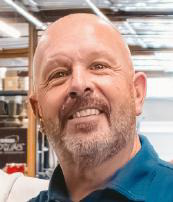
How has the entertainment industry evolved during your career and what major shifts do you foresee in the future?

What we do in live events is not as broad and wide-reaching as it used to be. The audiences are getting smaller and smaller. The days of 30-40 million people watching a television show on a network are gone. Which, for us, means less and less budget, which means things are going to get tighter and we have to learn how to produce things more economically. That’s the future I see, unfortunately. It’s not the moneymaker that it used to be.
Growing up around the entertainment industry, what were some early experiences that shaped how you approach producing shows today?
I grew up in Ohio with my mother and I used to come out here to California to see my father. He used to do Bandstand on the old ABC Prospect lot and I would go run around the lot visiting The Newlywed Game set and Let’s Make a Deal set. But what really intrigued me was watching the director, Kip Walton at the time, and what was happening in the control room. I liked the behind-the-scenes stuff. So I studied business and took what I saw behind the scenes and began working as a runner. The best thing my father ever did when I got out of college was to say, “You’re not gonna work for me. I’m not gonna hire you. I’ll introduce you to people, but you have to make a name for yourself.” And thank God he did that, because I was able to move up the ranks as a runner, head runner, production coordinator, and production manager, all outside of Dick Clark Productions, which was so beneficial for me.
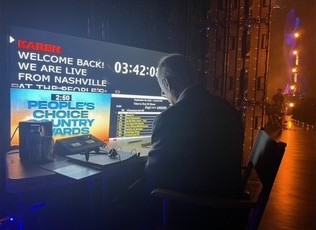
Looking back at your career, is there one particular show or project that was especially significant to you?
There are a few. It’s hard to narrow down, but one which really impacted me was the Academy of Country Music Awards. I started as a runner on that show back in the 70s. I worked my way up the ladder working for the Weed brothers, Ron and Gene, as a stage manager, then as a lead stage manager. After that, I went to Nashville to produce TNN’s nightly show, Primetime Country, and that’s where I really got to know the industry. When Gene got sick, my father called and said, “Could you come back and help Gene on the ACMs?” And that’s where it really took off for me. So really, country music and the ACMs have been that pivotal point in my career.
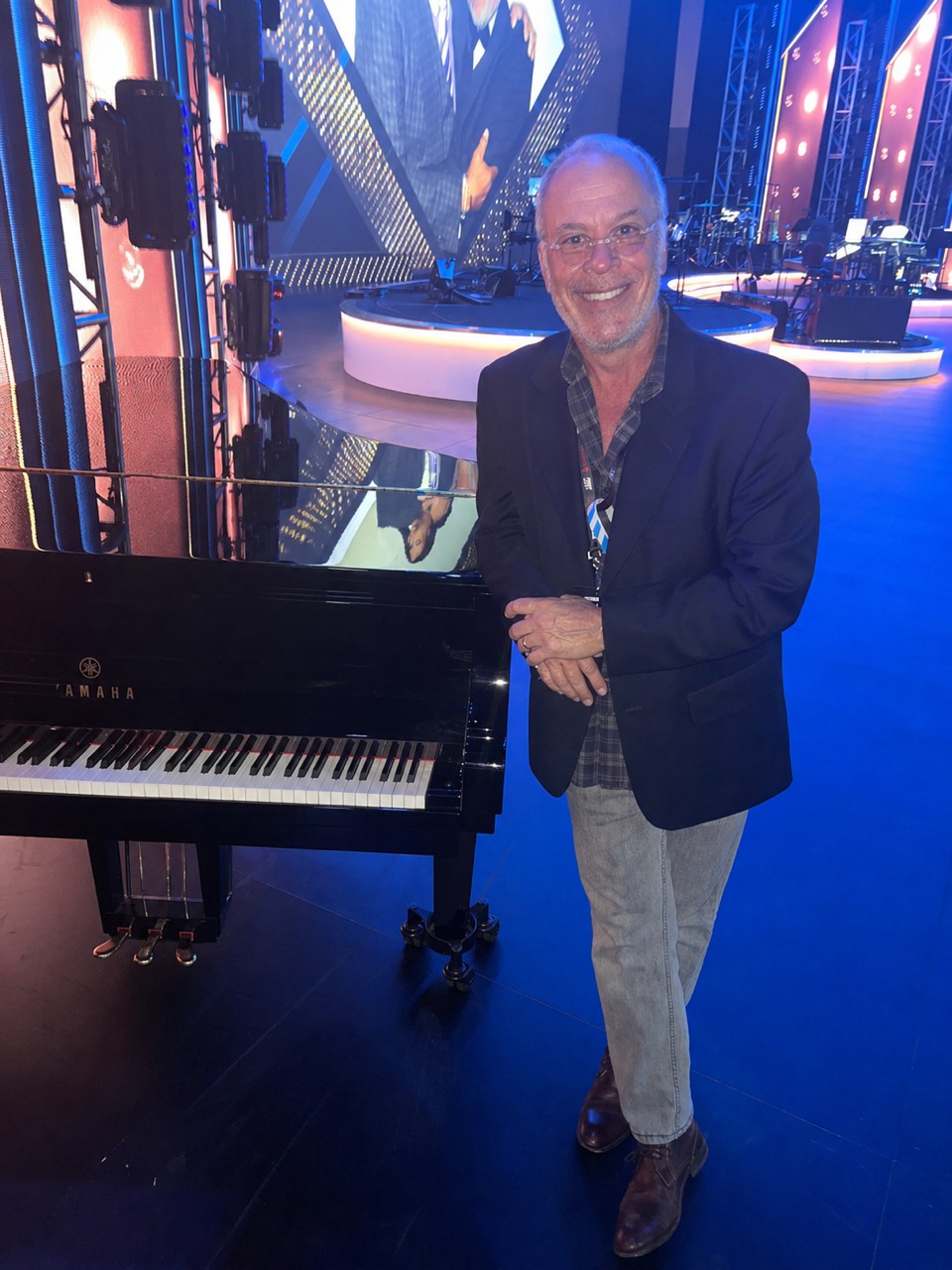
What advice would you give to someone looking to build a career in live entertainment or television production today?
For me, I would take the same path. You need to learn from the bottom up. Be confident and start at the bottom and get to know everybody and learn and make your way up. It’ll take longer, but you’ll be more deeply appreciated than somebody who comes in and just says, “I know what I’m doing.” At least that was my experience, and I would recommend that to anybody who’s starting. When I was a stage manager I had to interact with the folks who put stuff on the stage, so I needed to learn what it took to do that. How long does it take for lighting? What does it take to grip stuff on and off? What does audio need? I think it goes for basically everybody on productions that you have to go ground up to learn the proper way. You’ve got to learn all that stuff if you want to be an effective producer.


